
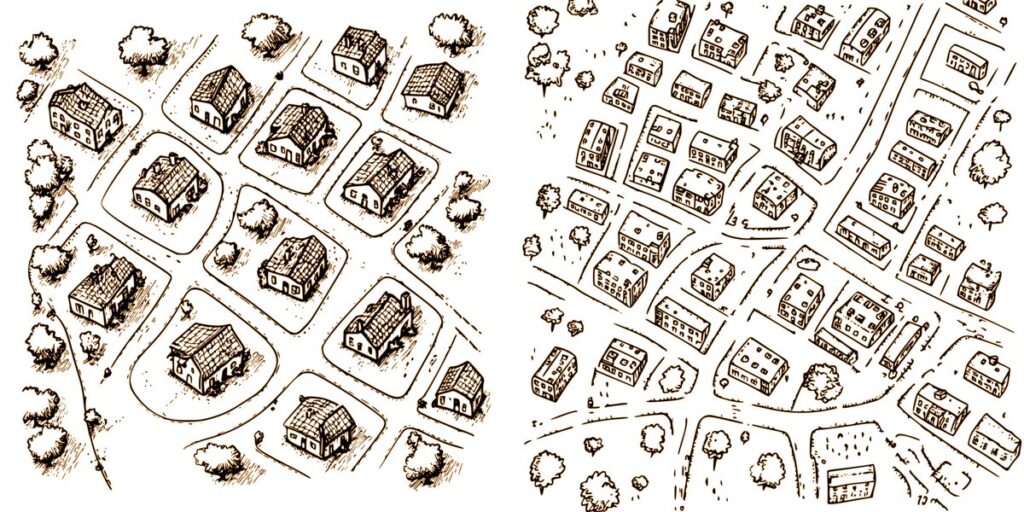
Nestled just east of downtown Ithaca and forming a bridge between the city and Cornell University, the Belle Sherman neighborhood has a story as rich and welcoming as its tree-lined streets. With its distinctive blend of early 20th-century architecture, leafy parks, and a close-knit community spirit, Belle Sherman remains an enduring gem in Ithaca’s diverse patchwork of neighborhoods. Whether you’re a new resident or an interested local, exploring this area’s origins and evolution is like peering through a window into Ithaca’s vibrant past.
The Origins of Belle Sherman
The roots of Belle Sherman reach back to Ithaca’s explosive growth during the late 1800s and early 1900s. As Cornell University began to flourish, demand spiked for new residential areas within walking distance of campus and downtown businesses. The land that is now Belle Sherman was then a mixture of open fields, family farms, and patches of woodland.
Development accelerated following the extension of East State Street (also known as Route 79), which became a main artery leading toward Collegetown and the Cornell campus. As trolley lines and roads improved, what was once rural became suburban—at least by early 20th-century standards. The neighborhood started to take shape as small enclaves of houses and new streets appeared, often springing up in response to Ithaca’s need for academic, professional, and blue-collar housing.
How Belle Sherman Got Its Name
The name “Belle Sherman” pays tribute to a beloved local educator: Belle Sherman herself. Belle Sherman was a distinguished teacher and principal who devoted much of her career to public education in Ithaca. The Belle Sherman School, built in 1926, was named in her honor, recognizing her years of service and her influence on generations of local students.
As the elementary school became a neighborhood landmark and gathering place, the growing community around it naturally adopted its name. Today, both Belle Sherman Elementary and Belle Sherman Annex (on nearby Cornell Street) serve as vibrant educational and social hubs, anchoring the neighborhood’s identity.
Key Historical Milestones
Throughout the decades, several major events and trends have shaped the evolution of Belle Sherman:
- Early Suburbanization (1900s-1930s): The first waves of housing construction on streets like Bryant Avenue, Mitchell Street, and Cornell Street reflect period architecture—Craftsman bungalows, Colonial Revivals, and classic American Foursquares still stand as testaments to the neighborhood’s early years.
- Community Institutions Take Root: The opening of Belle Sherman School in 1926 heralded a new era. The school quickly became a social nucleus, supporting both students and civic events. The former Fairview Grange Hall on Fairview Avenue once hosted local dances, meetings, and even lectures.
- Post-War Expansion (1940s-1960s): Following World War II, Ithaca experienced another boom as returning veterans and their families sought new homes. The Belle Sherman area grew east and southeast, with infill developments and the opening of the Pine Tree neighborhood adjacent to Mitchell Street.
- Cornell Connection: Belle Sherman’s proximity to campus made it popular with faculty, staff, and graduate students. Many homes were (and still are) owned or rented by people affiliated with Cornell, giving the neighborhood a cosmopolitan yet academic flavor.
- Environmental and Civic Action: Over time, residents have rallied to protect neighborhood green spaces, historic buildings, and the unique character of the area—working together through block associations and with the city on issues like traffic safety, zoning, and park stewardship.
Notable Landmarks and Buildings
Walking Belle Sherman’s leafy streets today, you can sense the neighborhood’s storied past. Several landmarks and public spaces continue to shape local life:
- Belle Sherman Elementary School (501 Mitchell Street): The beating heart of the neighborhood, with its stately brick façade and playgrounds bustling with children.
- East Hill Recreation Way: Once a rail corridor, now a popular multi-use trail running along Six Mile Creek, connecting Belle Sherman to East Hill and beyond. This trail is a favorite for runners, cyclists, and dog walkers.
- Mitchell Street Market: Though small, this local establishment has long been a convenient stop for snacks, newspapers, and neighborhood news.
- Cornell Heights Historic District: While technically a bit north, the architectural influence from the adjacent historic district spills into Belle Sherman, lending the area its period charm.
- Streets Like Bryant Avenue, Vivian Street, and Coddington Road: Lined with early-20th-century homes, each block evokes a different slice of neighborhood history.
Parks, Green Spaces, and Community Spirit
Community parks and green spaces have always played a central role in Belle Sherman’s appeal. Belle Sherman Playground and other small parks scattered around allow children to play and neighbors to gather. Not far away, the Six Mile Creek Natural Area offers scenic trails, bird watching, and a place to unwind from city bustle.
The neighborhood has long been known for its welcoming spirit. Annual potluck picnics, Halloween parades, and seasonal yard sales have forged strong, lasting bonds. Block parties on streets like Cornell and Mitchell, along with spirited participation in city events, create opportunities for connection and celebration.
Evolution and Modern Life
Today, Belle Sherman retains much of its historic allure even as it adapts to change. The mix of renters, homeowners, faculty, students, and families keeps the vibe dynamic—many houses have been lovingly restored, while others have seen sensitive additions or renovations. The area’s walkability, proximity to both downtown and Cornell, and strong public schools continue to draw new residents.
The neighborhood association remains active, advocating for traffic-calming measures, beautification projects, and preservation efforts. Whether you’re catching up with a friend over coffee at nearby Collegetown Bagels or walking a dog along the East Hill Recreation Way, Belle Sherman feels like home—a place where history and heritage thread through everyday life.
Why Belle Sherman Remains Special
Ask a longtime resident what makes Belle Sherman unique, and the answers often return to its sense of continuity and belonging. Here, century-old maples shade houses filled with stories; the school bell rings out just as it did for generations; and neighborhood traditions endure, enriched by newcomers and long-established families alike.
Exploring Belle Sherman is more than a history lesson—it’s an invitation to discover the charm and character that have stood the test of time in this quietly remarkable Ithaca neighborhood.